
The short answer
In Hong Kong, the operating system should not be your first consideration. Samsung Tizen, LG webOS and Google TV all support myTV SUPER, Netflix, Now E and Viu. What actually separates them is how many years of official updates you get and which phone you already own. Choose screen size and picture quality first, then let the system break the tie.
First, something most comparisons have not updated: you cannot buy an "Android TV" any more
Walk into a shop in 2026 and what you see is Google TV, not Android TV. Google's own definition is that Google TV is the experience layer, powered by an underlying operating system called Android TV OS. Devices that run that underlying system without the Google TV interface are the ones Google calls Android TV devices.
This is not hair-splitting. We checked the official labelling on every set currently in stock:
- TCL — 9 models, all labelled Google TV
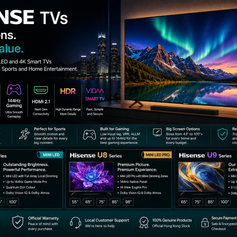
- Hisense — 4 models, all labelled Google TV
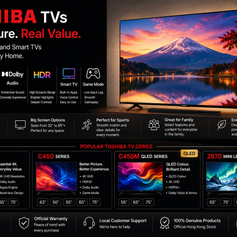
- Toshiba — 2 models, all labelled Google TV
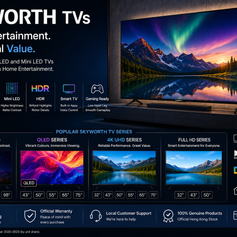
- Skyworth — 7 models, 5 Google TV; only two older 2023 sets are Android
So the real comparison is Samsung Tizen, LG webOS and Google TV. The system follows the brand: pick the brand and you have picked the system. It cannot be swapped later.
How the three systems differ
| Point of comparison | Samsung Tizen | LG webOS | Google TV |
|---|---|---|---|
| Brands that use it | Samsung | LG | TCL, Hisense, Toshiba, newer Skyworth |
| App source | Samsung Apps | LG Content Store | Google Play |
| Apps outside the official store | Not possible | Not possible | APK sideloading is possible, at your own risk |
| Google Cast | No. Samsung's own specification sheets state “Google Cast: No”; use Smart View or SmartThings | No. Use Screen Share, or AirPlay on selected models | Built in; one tap from an Android phone |
| Voice assistant | Bixby | LG's own voice control; selected models also work with Alexa or Google Assistant | Google Assistant |
| Smart home | SmartThings | LG ThinQ | Google Home |
| Official update commitment | Samsung states free Tizen OS updates for up to 7 years from launch year — up to, not guaranteed for every set | webOS Re:New offers 5 years, but was announced for specified premium models, not the whole range | No cross-brand commitment; each TV maker decides |
| myTV SUPER minimum | Tizen 5.0 or above | webOS 4.0 or above | Android 9.0 or above |
The row worth staring at is the last one: all three platforms clear the myTV SUPER requirement. "I want to watch TVB" rules out none of them.
Five things that actually matter in Hong Kong
1. myTV SUPER runs on all three
The minimum system requirements published in the official myTV SUPER FAQ are Android 9.0 or above, Samsung Tizen 5.0 or above, LG webOS 4.0 or above, and Amazon Fire OS 7.0 or above. All three mainstream TV platforms qualify. The only real constraint is age: a set too old to reach those versions cannot install it.
2. App counts are not the same as app coverage
Samsung's Hong Kong site lists TV apps including Now E, Viu, ViuTV, Netflix, Apple TV, HMVOD, iScreen, THEATRE+, Now Sports, Now News and i-CABLE News, alongside YouTube. The mainstream Hong Kong services are covered. Google TV runs Google Play and has the largest catalogue by count — but "most apps" is not the same as "the three apps you actually open".
A practical method: write down the three to five apps you genuinely use each month, then check those specific apps before buying. Do not decide on store size.
3. Hong Kong free-to-air broadcasting uses DTMB
Hong Kong digital terrestrial television uses GB 20600-2006, commonly known as DTMB, adopted by the Office of the Communications Authority and effective from 1 August 2007. Sets built for some overseas markets use DVB-T2 instead, which is a different standard.
This has nothing to do with the operating system — Tizen, webOS and Google TV are all equally powerless here. Ask about the specific model before you buy. If a set cannot receive the local broadcast, the alternatives are the myTV SUPER or ViuTV apps, or an external DTMB set-top box.
4. Smaller sets are where system smoothness shows
The same platform behaves differently on a 43 to 55 inch set than on a 75 inch flagship. The cause is not the software but the chipset — entry sizes usually get a lower-tier processor. So claims that one system "feels faster" depend heavily on the price bracket you are shopping in. At the top end all three are quick; at the bottom end the differences are real.
5. Software support ends; the warranty is a separate matter
A television easily lasts seven or eight years, but software support does not run that long. Samsung states up to 7 years of Tizen updates for models launched from 2023; LG webOS Re:New offers 5 years for specified models; Google TV has no cross-brand commitment.
And software support is not warranty. When something breaks you deal with the shop that sold you the set, not with Google or Samsung. Read the TV warranty terms before you buy.
Which system suits you
| Your situation | Recommendation |
|---|---|
| You use an Android phone and cast to the TV often | Google TV — the only one of the three with Google Cast built in |
| You already own a Samsung phone or SmartThings appliances | Tizen — one account, least setup |
| You want the set to stay current for as long as possible | Tizen — the longest stated commitment |
| Older family members will use it and must not have to learn anything | webOS — the Magic Remote works like a mouse pointer |
| You want apps that are not in the official store | Google TV — the only one that allows sideloading |
| Your budget is under HK$3,000 | At this price the choice is mostly Google TV sets |
| You mainly game and want 144Hz and VRR | All three are fine — this depends on the panel and HDMI spec, not the system |
Three questions to ask before buying — none of them about the system
- Can this set receive Hong Kong free-to-air channels? A broadcast standard question, unrelated to the operating system. Ask about the exact model.
- Does the menu offer Traditional Chinese? Language options on international-version sets vary model by model and cannot be assumed from the brand.
- Who handles the warranty, for how long, and do they come to you? However new the software is, on the day it fails you are calling the shop.
Where to start looking
If you have settled on a system, start here:
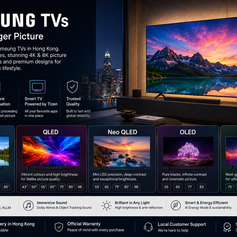
- Tizen — Samsung TVs, for example the Samsung 55-inch Neo QLED QN70F at HK$4,980
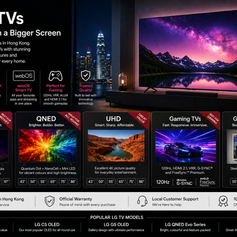
- webOS — LG TVs, for example the LG 75-inch QNED evo AI QNED86 at HK$11,980
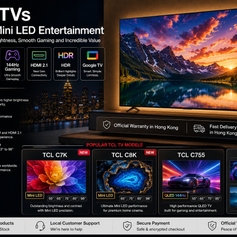
- Google TV — TCL TVs, for example the TCL C6K QD-Mini LED from HK$4,880
Prices and availability are as shown on each product page. To see the full range, browse our smart TV collection. The Kwun Tong showroom holds stock for collection only — there is no demonstration or side-by-side viewing.
Conclusion
All three platforms are mature and none of them is a wrong choice. The right order is size, then picture quality, then price, then system. The system should not overturn the first three.
If it has to be one sentence: Android phone, choose Google TV; Samsung phone, choose Tizen; a household where everyone must be able to use it, choose webOS.
Frequently asked questions
What is the difference between Android TV and Google TV?
Google TV is the interface; Android TV OS is the underlying operating system. Google describes Google TV as being powered by Android TV OS, and reserves the name Android TV devices for products that run the underlying system without the Google TV interface. Almost all new sets on sale today are Google TV.
Does myTV SUPER work on Samsung, LG and Google TV?
Yes, on all three. The official myTV SUPER minimum requirements are Android 9.0 or above, Samsung Tizen 5.0 or above, and LG webOS 4.0 or above. The practical limit is age: a set too old to reach those versions cannot install the app.
Can I change the operating system after buying?
No. The system is tied to the TV brand. A Samsung set cannot run webOS and an LG set cannot run Google TV. If you want features from another platform, the answer is an external streaming box or stick, not a system swap.
Which system is supported for the longest?
On stated commitments, Samsung offers up to 7 years of Tizen OS updates for models launched from 2023; LG webOS Re:New offers 5 years but was announced for specified premium models; Google TV has no cross-brand commitment and each TV maker decides individually.
Will the TV receive Hong Kong free-to-air channels?
This is a broadcast standard question, not a system question. Hong Kong digital terrestrial television uses GB 20600-2006, known as DTMB, while sets built for some overseas markets use DVB-T2. Check the specific model before buying. If a set cannot receive it, the myTV SUPER or ViuTV apps, or an external DTMB set-top box, are the alternatives.
About this article
Last updated: ______ (please fill in)
Reviewed by: ______ (please fill in name and job title)
The update periods, application requirements and broadcast standard cited in this article come from published material by Google, Samsung, LG, myTV SUPER and the Office of the Communications Authority. Actual features vary by model; the official specification for each model takes precedence.



)
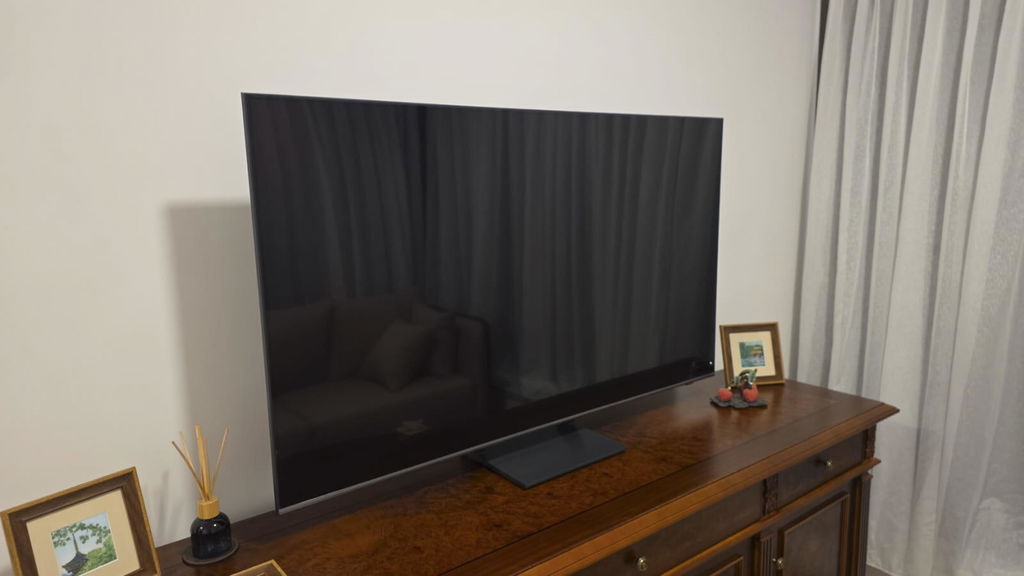
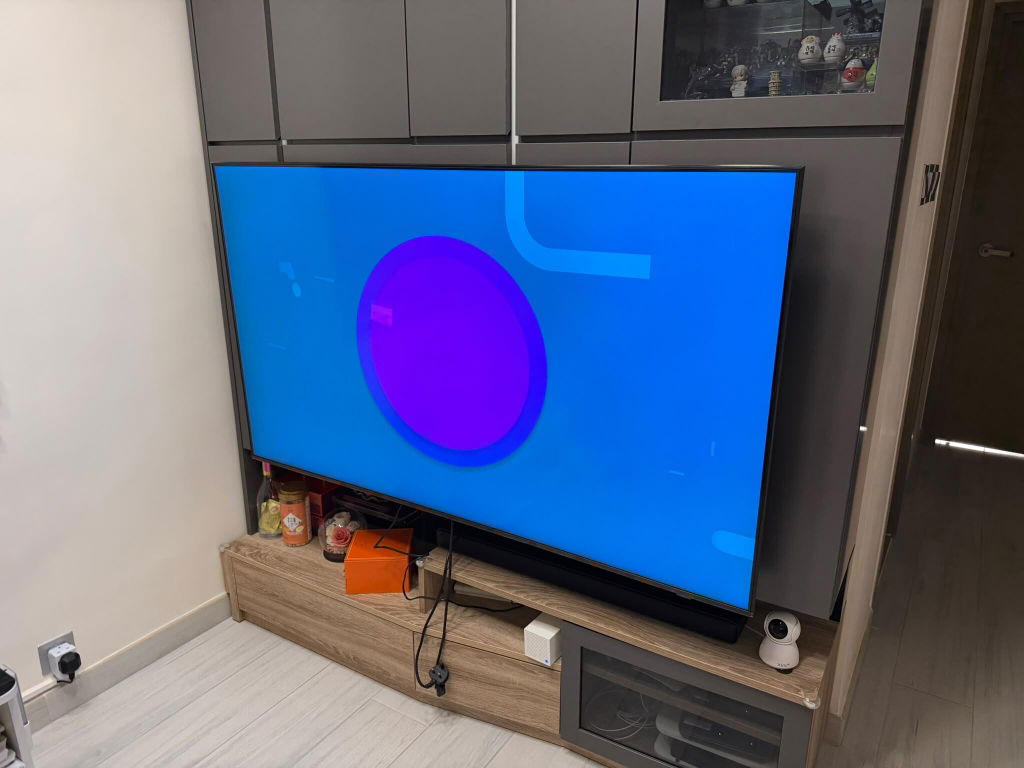
獨鍾webOS,正如MacOS、iPhoneOS。LG電視與iPhone、Macbook、iMac—-等電腦配合得天衣無縫!