




Your TV suddenly finds no channels, or only a handful, or the screen goes black — and in Hong Kong the aerial is the first thing that gets blamed. Nine times out of ten, the aerial is not the problem.
Most guides online are written for households in rural America: mount an antenna on the roof, cut down the trees blocking it, use a US signal-mapping tool. None of that is possible here.
So the first step is not to buy anything. It is to settle one question: is the whole building affected, or just you? The answer sends you in completely opposite directions.
The fastest thing to try: rescan your channels
If you only do one thing, do this.
In your TV settings, find "Channels" or "Broadcasting" and choose Auto Tuning (some sets call it Auto Scan). Run a full scan — it usually takes three to five minutes.
Why it matters: at midnight on 1 December 2021, six Hong Kong digital TV channels moved to new transmitting frequencies — Jade 81, ViuTVsix 96, ViuTV 99, and RTHK TV 31, 32 and 33. The channel numbers stayed the same; the frequencies did not. The government ran a simulcast on both old and new frequencies from 1 April to 30 November 2021, after which only the new frequencies remained.
Building maintenance, equipment replacement and moving to a new flat can all require another scan since. In Hong Kong, "some channels suddenly disappeared" is most often solved by rescanning.
How Hong Kong differs from the guides you'll find online
Analogue TV has been gone for five years
Hong Kong permanently switched off analogue television broadcasting at 23:59 on 30 November 2020.
Which means: if your set is an old analogue-only television, no amount of adjusting or repositioning will produce a picture. That is not a signal problem — the set simply cannot receive the broadcast.
Hong Kong uses DTMB
Hong Kong's digital terrestrial television uses the GB 20600-2006 national standard, known in the industry as DTMB. It is the standard set by the Communications Authority.
This is worth knowing because standards differ worldwide — Europe and much of Southeast Asia use DVB-T2, and the United States uses ATSC. If the standard does not match, the set will find no channels at all, regardless of how strong the signal is.
You probably do not have "your own antenna"
This is the biggest difference between Hong Kong and most guides written overseas. The overwhelming majority of Hong Kong homes use the building's communal aerial system (officially CABD / IBCCDS) — the antenna sits on the roof and the signal is distributed to every flat by coaxial cable.
So the socket on your wall is not an antenna — it is an outlet from the building's distribution system. You cannot aim it, and you should not be going up to the roof to move anything.
What the online guides tell you to do, and why it fails here
| Common online advice | The Hong Kong reality |
|---|---|
| Fit an outdoor directional antenna aimed at the transmitter | Not possible for flat dwellers, and usually breaches the deed of mutual covenant |
| Raise the antenna, mount it on a tall pole | There is no roof available to you |
| Trim the trees blocking the signal | Between urban towers, trees are not the issue |
| Use AntennaWeb to locate transmitters | A United States only tool; it does not work here |
| Buy an indoor antenna and put it next to the TV | Inside Hong Kong high-rises, indoor antennas receive DTMB erratically and usually do worse than the wall socket; if the socket gives no signal, call the management office rather than adding an antenna |
| Install a satellite dish | Consumer satellite TV is essentially non-existent in Hong Kong homes |
| Buy a digital converter box for analogue channels | Analogue was switched off in 2020 — there is nothing left to convert |
Working through it step by step
First: is it just you, or the whole building?
Ask a neighbour or the building management. If the whole block has lost signal, the fault is in the communal aerial system and nothing you do inside your flat will help — report it to management directly.
If it is only you, read on.
Symptom guide
| Symptom | Most likely cause | What to do first |
|---|---|---|
| No channels at all | Signal source not connected, or wrong input selected | Check the aerial lead is seated; confirm the TV is on Antenna/TV, not HDMI |
| Only a few channels | Incomplete scan | Run a full auto scan again |
| Had them, now some are gone | Frequency change or building equipment replaced | Rescan; if that fails, ask building management |
| Picture breaks up or pixelates | Weak signal or ageing cable | Replace the coaxial cable; check connectors for looseness and corrosion |
| Only fails in heavy rain | Water ingress in the building aerial or cabling | Report to building management — this is not a fault inside your flat |
| Brand new set finds nothing | Possibly a broadcast standard issue | WhatsApp us with the model number |
Five things you can do inside your own flat
- Run a full auto scan — use the complete scan, not the "update" mode
- Check the coaxial cable — loose or corroded connectors, or a lead crushed behind furniture, all drop signal
- Remove cheap splitters — splitting one feed across several sets weakens all of them. Take out the runs you no longer use
- Do not bundle the aerial lead with power cables — mains cabling introduces interference
- Update the TV's software — some tuning faults are firmware-related
When to call building management instead
- The whole block, or several flats on your floor, are affected
- It only fails when it rains and recovers in good weather
- The building has just had maintenance or equipment replaced
- You have tried a new TV and a new cable and nothing changed
The communal aerial system is the building's responsibility, not yours to repair.
Do international-version TVs receive Hong Kong free-to-air channels?
We are asked this daily, and there is almost no answer online — licensed-stock shops have no reason to address it, and overseas reviewers never consider the Hong Kong standard.
Straight answer: yes, all of them. But licensed and international-version sets get there differently.
Licensed sets: scan and you're done
A Hong Kong licensed set supports the local standard natively. Switch it on, run one auto scan, and the channels are there. Nothing else is needed.
International-version sets: the region setting has to be switched to Hong Kong
International-version sets leave the factory with a region setting other than Hong Kong. That setting determines which broadcast parameters the tuner scans for — so scanning as-is usually finds nothing, or finds an incomplete list. The set isn't incapable of receiving; it's looking for the wrong thing.
Once the region is switched to Hong Kong, every channel comes through. That has held for every international-version model we have sold — it is consistent behaviour, not a per-unit lottery.
Worth knowing: this cannot be done from the ordinary settings menu. It has to be handled by a technician, so it isn't something you can toggle yourself. When you buy an international-version set, tell us you want the free-to-air channels and we will have it configured for you.
Not sure which type your set is? WhatsApp us with the model number and we'll tell you straight.
If the television itself is simply too old
If your set predates about 2010, or is analogue to begin with, replacing it usually costs less than chasing the fault. And for Hong Kong free-to-air reception, a licensed set supports the local standard natively, which is the least trouble.
In-stock options worth considering:
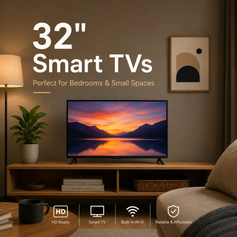
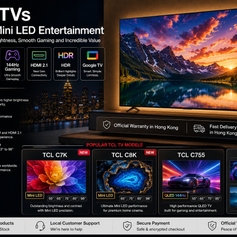
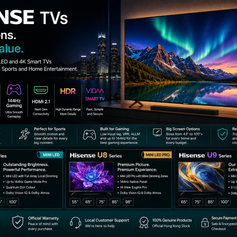
- Hisense 32A4N 32" Full HD Google TV — enough for a bedroom or a small flat
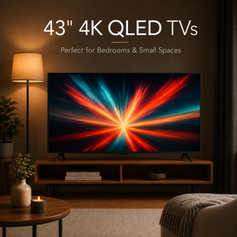
- TCL 43" V6C 4K Google TV — a smaller living room or dining area
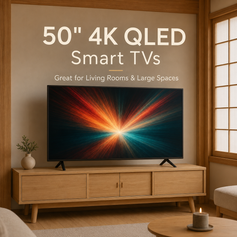
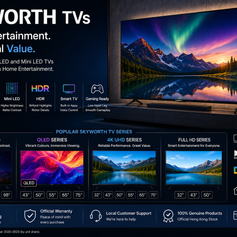
- Skyworth SUE7900 4K Google TV — 43", 50", 55" and 65" all in stock
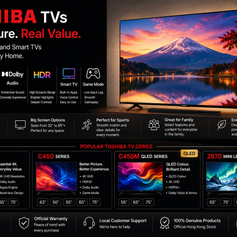
- Toshiba C350NK 4K Google TV — 43", 50", 55" and 65" all in stock
For more, browse 32 inch, 43 inch, 55 inch or 65 inch. Prices are on the product pages.
Before you replace anything, WhatsApp us and describe the situation — if the fault is actually in the building's aerial, a new television will not fix it, and we would rather you did not waste the money.
Frequently asked questions
Why did some channels suddenly disappear?
Usually because the set has not been rescanned. Six Hong Kong digital channels moved to new transmitting frequencies on 1 December 2021, following a simulcast period from April to November that year, and building equipment changes can have the same effect since. A full auto scan normally fixes it.
Do I need to buy my own antenna?
Almost certainly not — neither an outdoor nor an indoor antenna. You are using the building's communal aerial system; the socket on the wall is a distribution outlet, not your own antenna.
What broadcast standard does Hong Kong use?
The GB 20600-2006 national standard, known as DTMB. It is the standard set by the Communications Authority.
Is analogue TV still available?
No. Hong Kong permanently switched off analogue television at 23:59 on 30 November 2020.
Do signal amplifiers help?
It depends. If the signal is weak but clean, an amplifier can help. If the signal is noisy, an amplifier boosts the noise along with it and makes matters worse. On a communal aerial system you should normally go to building management before adding one yourself.
The signal drops in heavy rain — is that normal?
No. It usually means water has got into the building's aerial or cabling, which is a building maintenance matter. Report it to management.
Still stuck?
WhatsApp 9847 9793 (11:00–19:00) and tell us:
- The TV model and roughly how old it is
- Whether you get no channels at all, or only some
- Whether your neighbours have the same problem
We will help you work out whether it is settings, cabling, the building's system, or the television itself — so you are not testing everything one at a time.
Our warranty
- International-version televisions: free on-site inspection and repair for three years, with unlimited labour visits. Replacement parts are quoted separately — we quote first, and only proceed once you confirm.
- Hong Kong licensed televisions: covered by the manufacturer's own Hong Kong warranty; the term is whatever the brand publishes.
- On-site: inspection and repair are both done at your home. You do not have to carry the set anywhere.
- Installation: on-site installation available, quoted by address.
- Full terms: see our warranty policy and FAQ.
For official information on digital terrestrial television in Hong Kong, see the Communications Authority's reception guide.



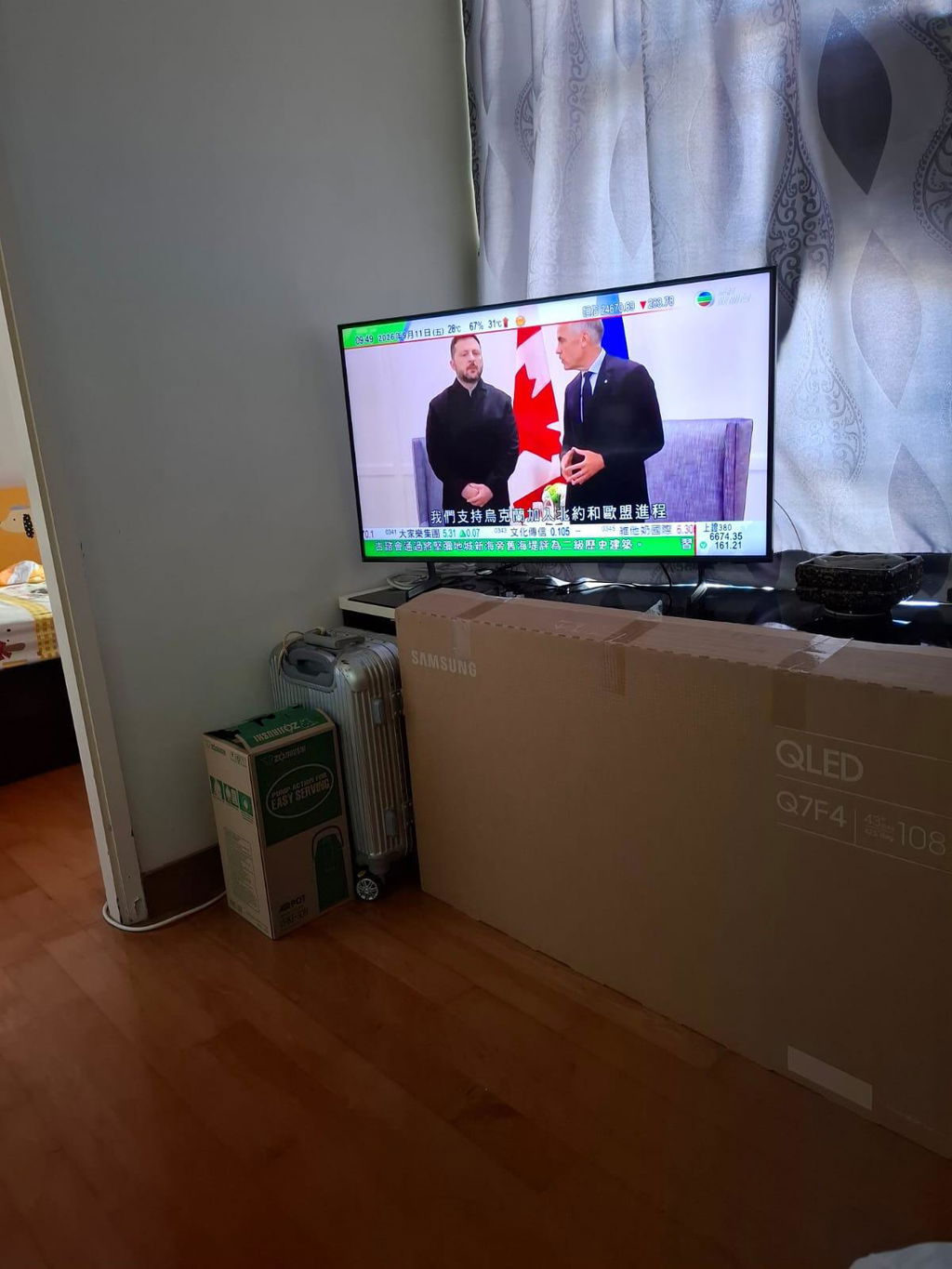
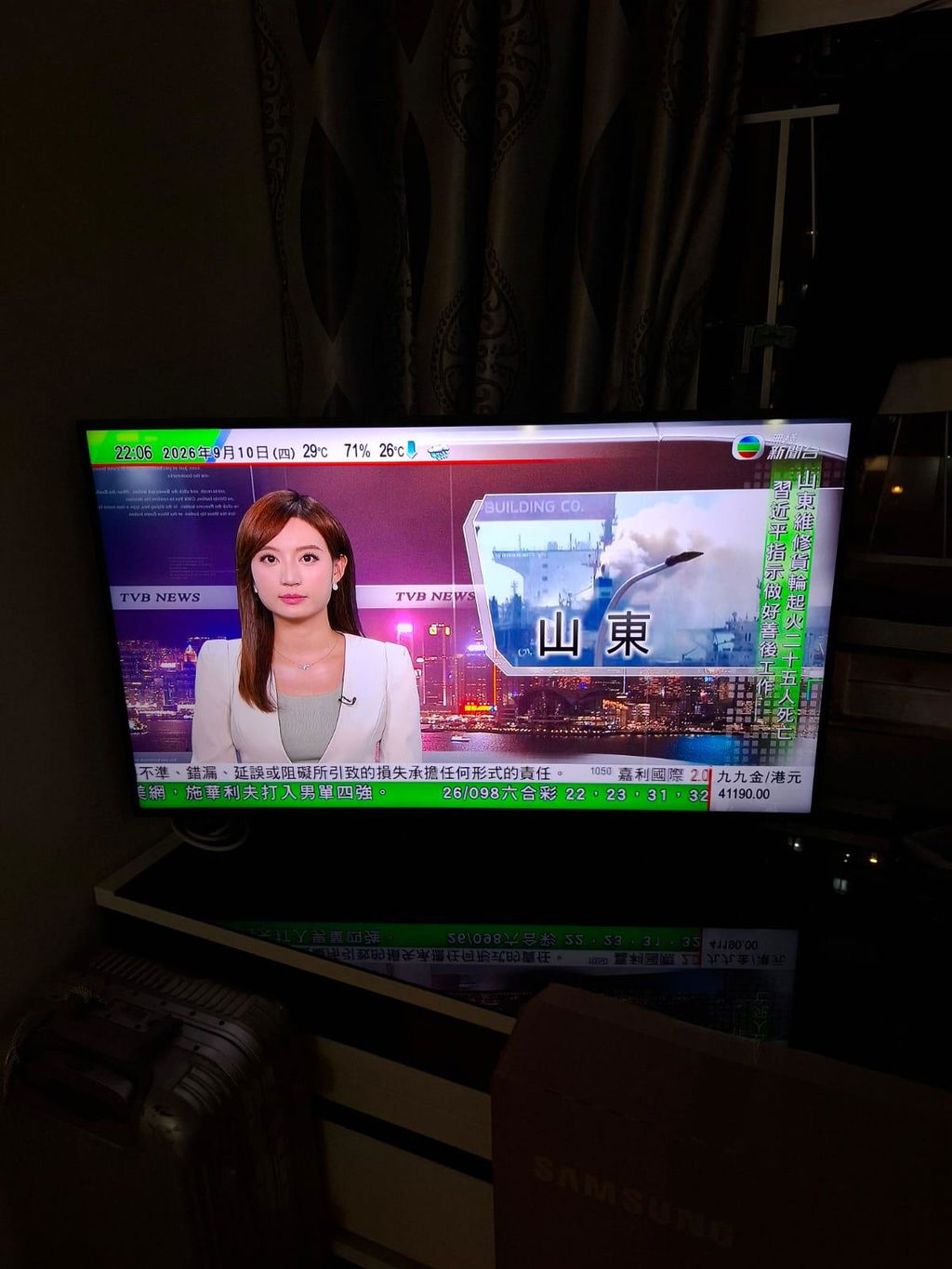
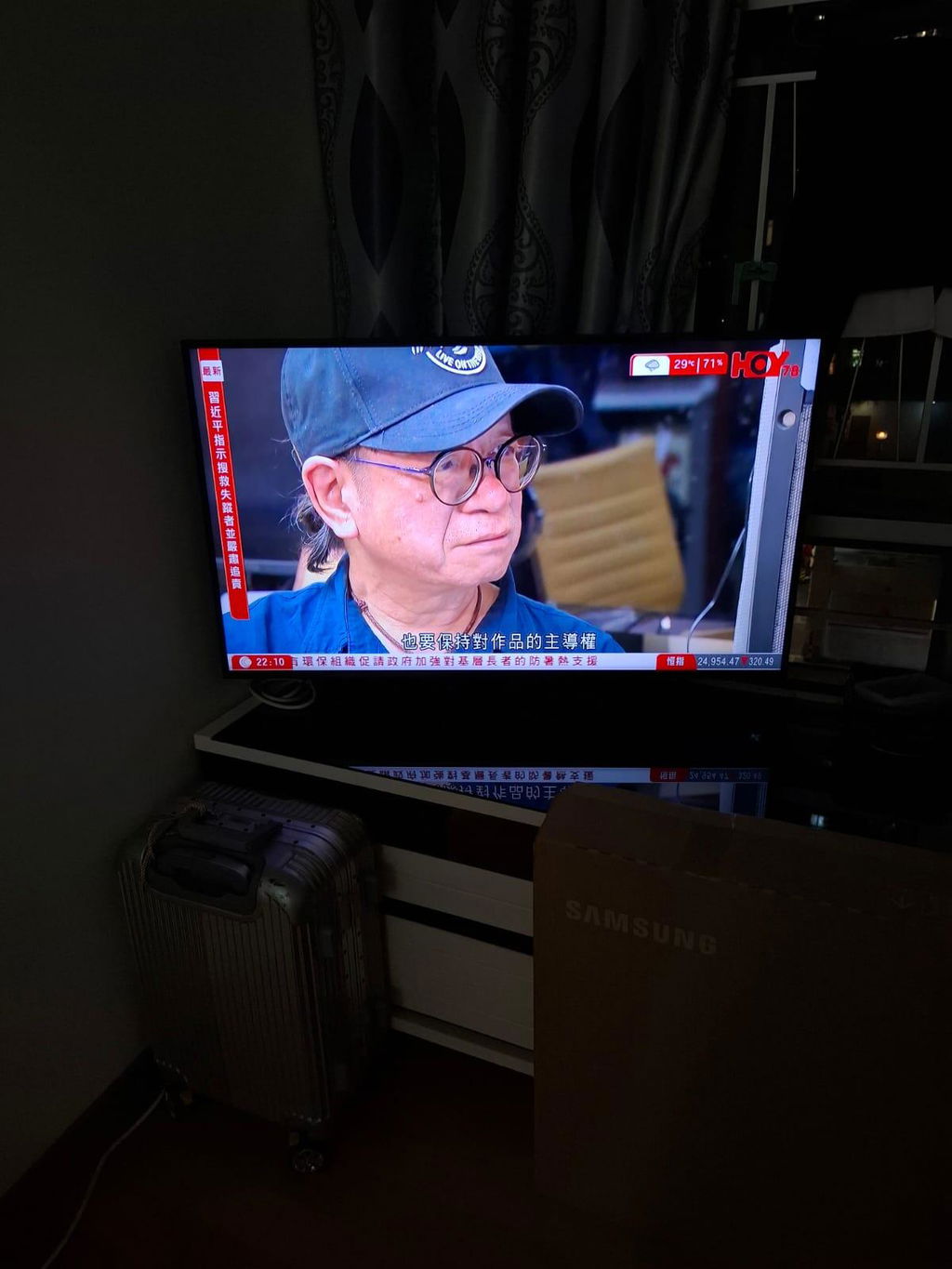
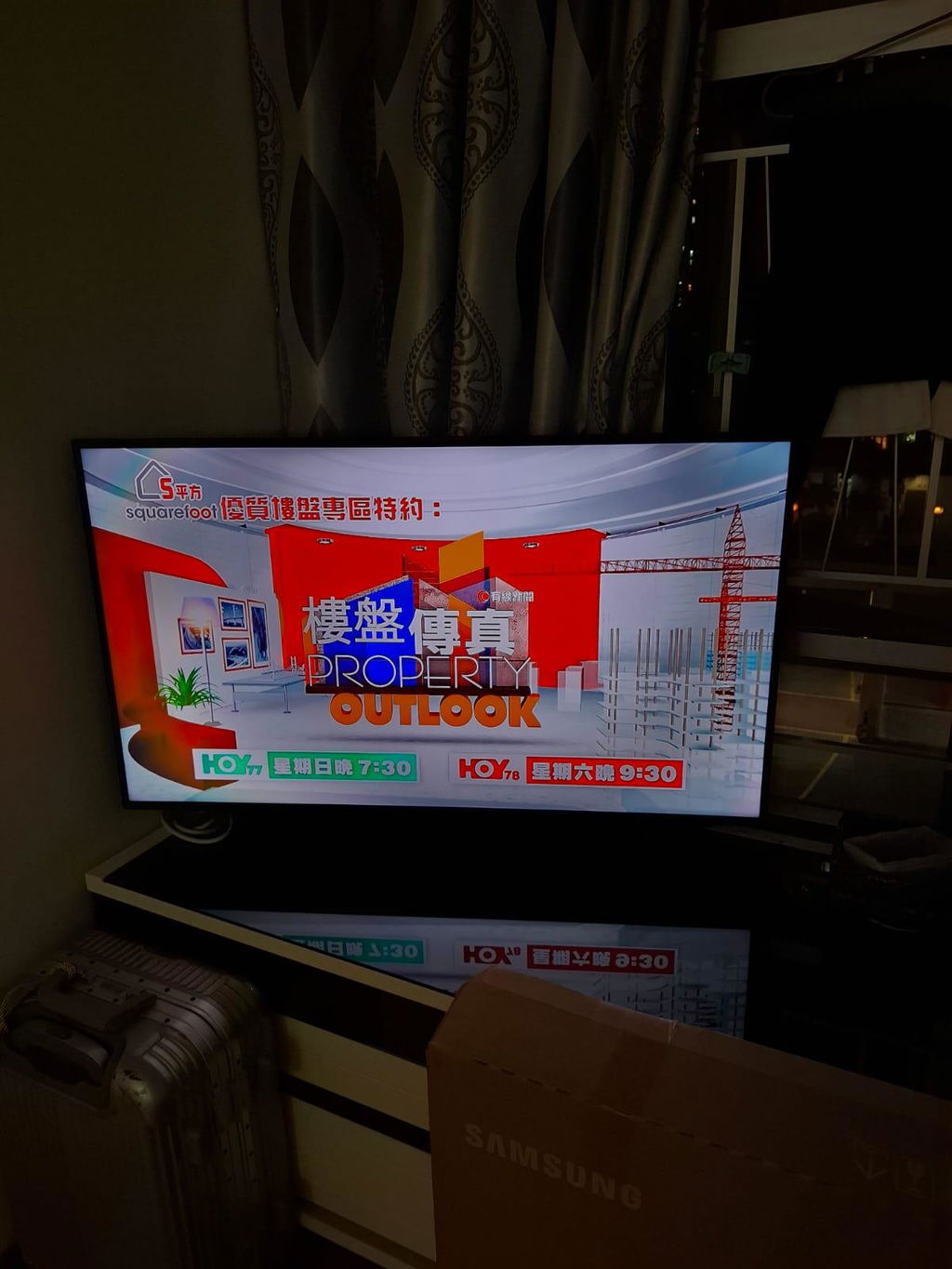

我屋企人呢而家係住喺老人院用咗部TCL一部電視人,但係而家唔記得咗係咩型號要返去再睇吓但係呢一次之後就睇唔返81同99台咗個幾兩個禮拜我哋台過好多次自動首台有試過手動首台都試過,搞唔掂最尾老人院有師傅上嚟整返,點知唔夠幾日又睇唔到係咪因為個電視型號太舊支援唔到係一部好舊嘅電視機嚟㗎因為佢要個尺寸先可以安裝,三吋22吋實在太難買啦,究竟應該要點樣處理呢?放大器就可能得定係我真係要換過部電視呢?因為換部電視都好少有咁細㗎喎可以點樣處理?我驚買完部新電視都係睇唔到囉,淨係睇到74台77台嗰啲